

The Power of Preventive Maintenance: How a Strong Plan Protects Your People, Your Equipment, and Your Bottom Line

Why Preventive Maintenance Matters
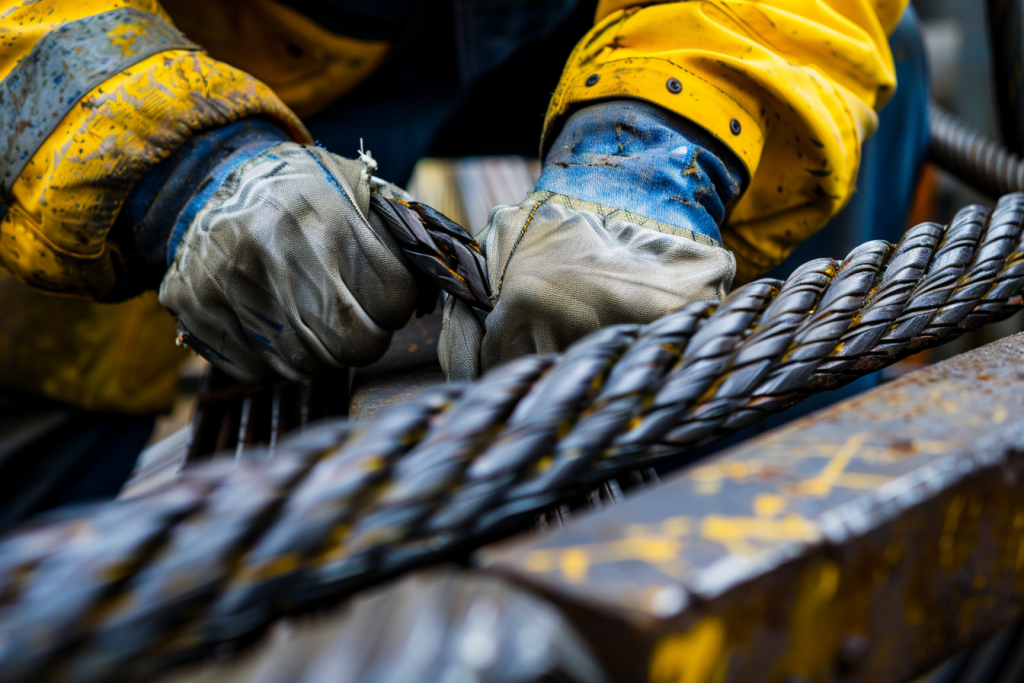
Preventive maintenance is the foundation of equipment reliability. When done correctly, it delivers:
1. Higher Safety Levels
Most equipment failures happen progressively, not suddenly. Early cracks, leaks, loose fasteners, tired hydraulic lines—these issues give warning signs long before they become catastrophic. PM catches them.
2. Lower Downtime
Unplanned repairs cost 3–5 times more than planned maintenance. PM reduces:
-
- Emergency breakdowns
-
- Replacement part rush orders
-
- Unscheduled labor overtime
3. Longer Equipment Life
Machines last years longer when serviced routinely. This lowers capital replacement costs and increases ROI for cranes, forklifts, bucket trucks, excavators, and other lifting assets.
4. Better Compliance
Many regulatory standards require equipment to be maintained per manufacturer specifications, making PM not only best practice—but mandatory.

- Crane Operator – Controls the lift and equipment.
A preventive maintenance plan should be structured, documented, and aligned with the reality of field operations. Here’s how to create one that works.
- Start With Manufacturer Recommendations
Every maintenance plan must begin with the equipment’s OEM instructions. These documents detail:
- Lubrication intervals
- Replacement periods for critical components
- Torque specs
- Hydraulic and electrical inspection steps
- Load handling system checks
- Fluid type and change intervals
Ignoring OEM recommendations is one of the top causes of equipment failure. Your plan must incorporate exact timelines and procedures from these manuals before adding anything else.
2. Add Field-Based Adjustments
Real operating environments vary—no two job sites are equal. That’s why your plan must also consider:
- Usage frequency
- Exposure to heat, dust, moisture, or chemicals
- Load severity and cycle rate
- Operator feedback
- Vibration levels
- Past failure history
A crane operating offshore does not need the same schedule as a forklift used in a clean warehouse.
3. Define Maintenance Types and Intervals
A complete plan includes:
- Daily / Shift Checks
Performed by operators; includes walk-arounds, fluid levels, visible leaks, alarms, and safety devices. - Scheduled Preventive Maintenance
Executed at fixed intervals (hours or calendar-based), such as:
- Engine service
- Filter replacement
- Structural inspections
- Wire rope measurements
- Lubrication
- Condition-Based Maintenance
Based on sensor readings, vibration data, oil analysis, and wear trends. - Annual or Certification Inspections
Performed by qualified technicians or third-party inspectors as required by standards.
4. Standardize Your Processes
Your maintenance plan should include:
- Step-by-step procedures
- Responsible personnel
- Required tools
- Manufacturer manual references
- Acceptance criteria
- Safety lockout/tagout instructions
Clear procedures eliminate guesswork and ensure consistency across teams.
Conclusion: Prevention Is the Best Protection
A strong preventive maintenance program isn’t paperwork—it’s risk management, cost control, and safety assurance.
By aligning maintenance with manufacturer recommendations, field realities, and performance KPIs, companies create a system that protects assets, people, and productivity.
At SmartLift, we help organizations design, implement, and optimize preventive maintenance programs for all lifting equipment—from mobile cranes to forklifts, bucket trucks, earthmoving machines, and more.