
- Crane Operator – Controls the lift and equipment.
Training Is Not Optional: Building Competence and Career Progression in Lifting Operations
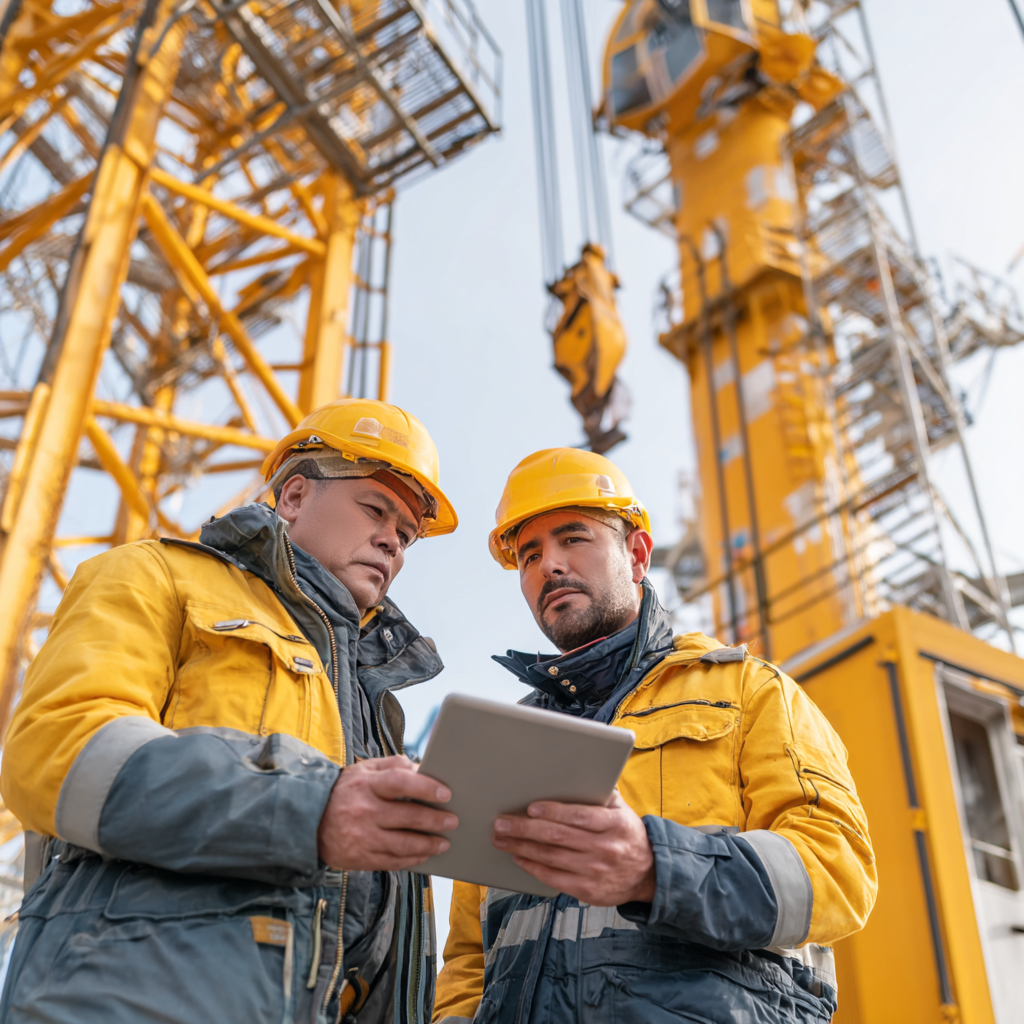
In lifting operations, training is the foundation of safety. Cranes, forklifts, hoists, and rigging systems are powerful tools—but in the wrong hands, they become high-risk hazards. At SmartLift, we see it repeatedly: incidents are rarely caused by equipment alone. Most accidents trace back to gaps in training, rushed promotions, or lack of supervision.
That’s why a structured training and qualification process for operators, riggers, signal persons, and supervisors is essential—not only to comply with regulations, but to protect lives and careers.
🚧 Why Proper Training Matters in Lifting Operations
Lifting activities involve dynamic loads, changing environments, and split-second decisions. Without proper training:
- Operators misread load charts
- Riggers select incorrect configurations
- Signal persons communicate inconsistently
- Supervisors miss early warning signs
These failures compound quickly—and the result can be serious injury, fatalities, equipment loss, and legal consequences.
A strong training program ensures that each role understands its limits, responsibilities, and interactions with the rest of the team.
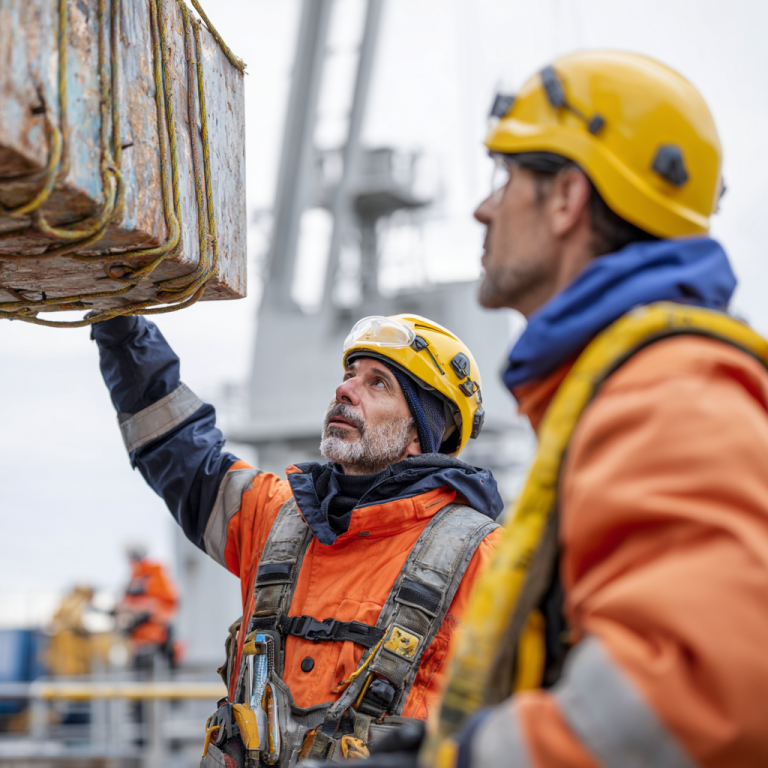
🏗️ Key Profiles Requiring Structured Training
Safe lifting operations depend on several critical roles, each with unique training needs.
Crane and Equipment Operators
Operators must understand:
- equipment controls and limitations
- load charts and capacity reductions
- ground conditions and setup requirements
- power line safety
- emergency response procedures
Certification alone is not enough. Operators require ongoing evaluations, refresher training, and documented supervision.
Riggers
Riggers are responsible for:
- selecting slings and hardware
- calculating load weight and center of gravity
- understanding sling angles and load forces
- inspecting rigging gear
- identifying lift hazards
Because rigging errors often lead directly to dropped loads, riggers must receive formal training plus extensive hands-on experience.
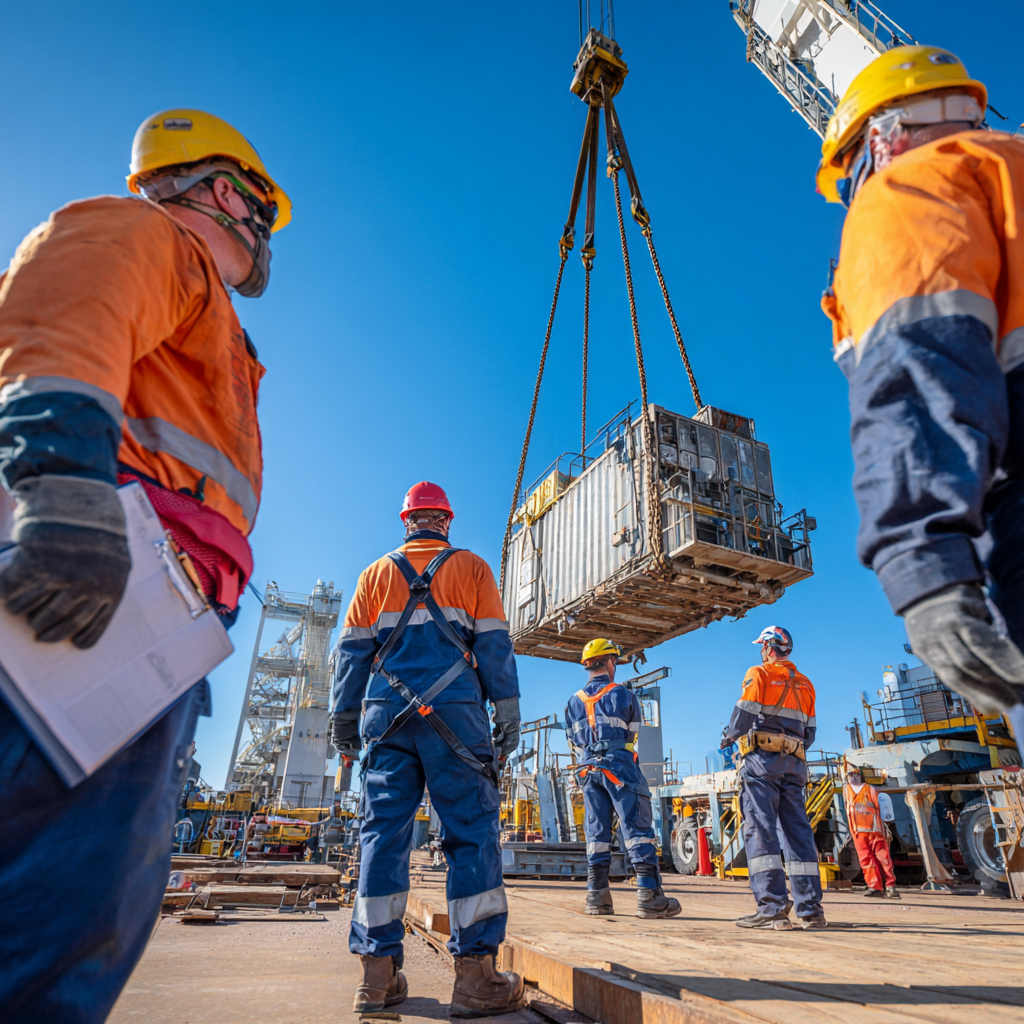
Signal Persons and Lift Supervisors
Signal persons must:
- master standardized hand and radio signals
- understand crane limitations
- maintain exclusive communication with the operator
Supervisors must be trained to:
- verify personnel qualifications
- approve lift plans
stop unsafe operations
📈 Promotion from Rigger to Operator: A Critical Transition
One of the most common—and dangerous—mistakes in the industry is fast-tracking riggers into operator roles without a structured transition.
Experience as a rigger is valuable, but it does not automatically qualify someone to operate lifting equipment. Promotion must be intentional, phased, and documented.
🧠 Step 1: Theoretical Training
Before touching the controls, future operators must complete classroom training covering:
- equipment theory and mechanical principles
- load charts and capacity calculations
- stability and tipping dynamics
- regulatory requirements
- emergency and abnormal operations
Skipping theory leads to operators who “know how” but don’t understand why—a recipe for unsafe decisions.
🛠️ Step 2: Supervised Practical Training
Hands-on practice must be:
- progressive (simple to complex lifts)
- supervised by a qualified operator or instructor
- documented with performance checklists
This phase allows trainees to build muscle memory while learning to recognize unsafe conditions.
👀 Step 3: Evaluation and Supervision Period
Even after certification, new operators should work under:
- defined supervision periods
- restricted lift complexity
- regular performance reviews
This step bridges the gap between training and real-world responsibility.
⚠️ The Consequences of Skipping Training Steps
Organizations that bypass structured training and promotion face serious risks:
❌ Increased dropped loads and tip-overs
❌ Higher injury and fatality rates
❌ Equipment damage and downtime
❌ Regulatory citations and legal exposure
❌ Loss of trust from crews and clients
In many investigations, the root cause is clear: the person was never fully prepared for the role.
🧩 Training as Part of a Safety System
Training should never stand alone. It must be integrated with:
- defined personnel profiles
- written procedures
- equipment limitations
- audits and KPIs
When training aligns with procedures and equipment capabilities, safety becomes systematic, not accidental.
🚀 The SmartLift Approach
At SmartLift, we help companies:
- design role-specific training programs
- define competency profiles
- structure safe promotion pathways
- evaluate operators, riggers, and signal persons
- audit training systems for compliance and effectiveness
Because safe lifting operations depend on prepared people, not assumptions.
🔐 Final Thought
Training is not a box to check.
Promotion is not a reward.
Both are responsibilities.
When companies invest in structured training and supervised progression, they don’t just reduce accidents—they build confidence, professionalism, and long-term performance