
From Rigger to Operator, From Operator to Lift Supervisor: How to Promote Without Increasing Risk
In lifting operations, safety is not achieved by chance—it is engineered through procedures. While trained personnel and reliable equipment are essential, it is the Promoting someone from rigger to operator or from operator to lift supervisor can be one of the best decisions a company makes.
It can recognize talent, retain experienced employees, improve motivation, and create a strong internal career path.
But there is an important distinction:
Being good at one job does not automatically make someone ready for the next one.
A successful promotion should therefore be treated as a development process—not simply a change in title.
A great rigger may have excellent knowledge of rigging but still need significant development before operating a crane. Likewise, an experienced operator may have excellent technical skills but not yet have the leadership, communication, planning, and decision-making abilities required to supervise a lifting operation.
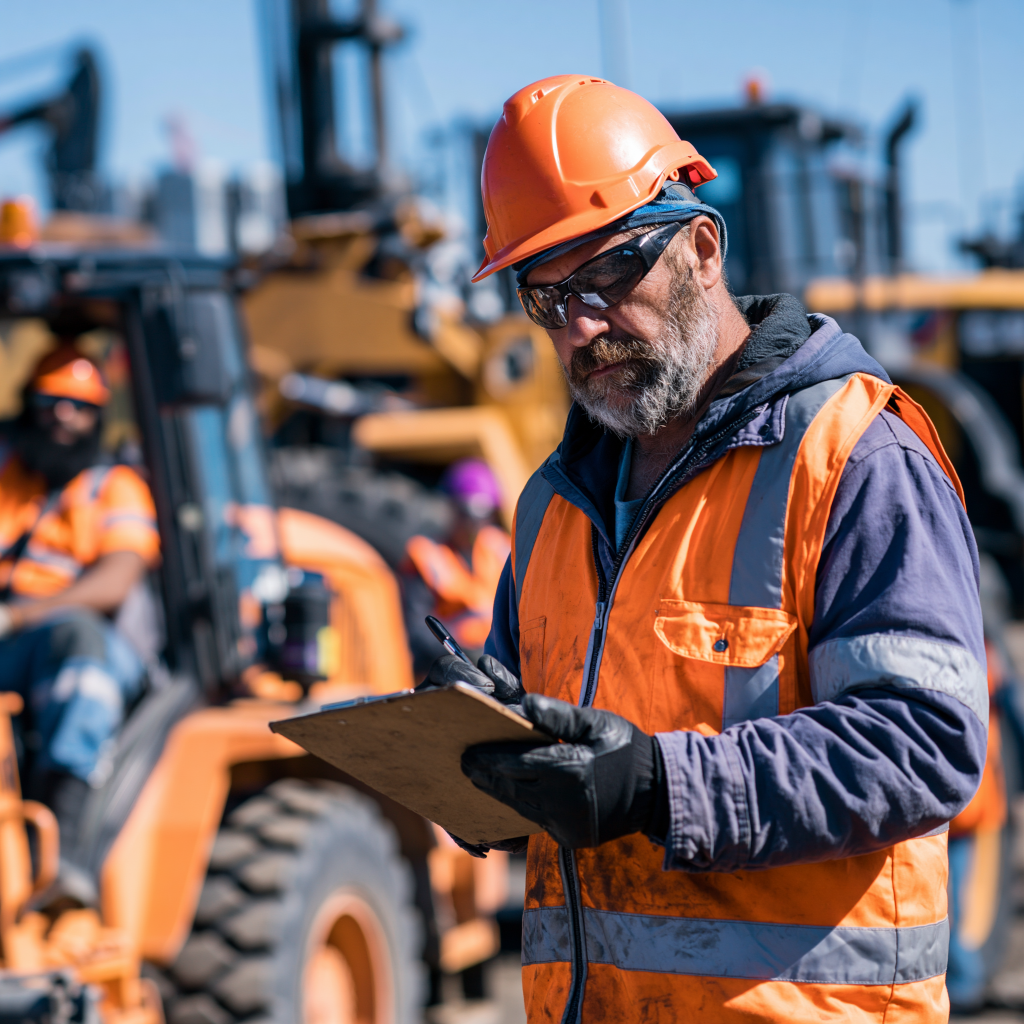
🔗 Promotion Starts With Competence, Not Seniority
One of the most common mistakes companies make is promoting people based primarily on years of experience.
Experience matters, but time on the job is not the same as demonstrated competence.
Before promoting a rigger to an operator, the company should evaluate whether the individual has developed the necessary knowledge, skills, and judgment for the new responsibility.
For crane operations in construction, OSHA requires operators to be trained, certified/licensed as applicable, and evaluated by the employer before operating covered equipment. The employer’s evaluation must demonstrate the operator’s skills, knowledge, and ability to recognize and avert risk, including the equipment’s specific configuration and the hoisting activities required for the assigned work.
That means a promotion should never be based only on:
“You’ve been a good rigger for several years, so now you’re ready to operate the crane.”
The better question is:
“Have we developed and verified the competencies required for the new position?”
🚜 Promoting a Rigger to an Operator
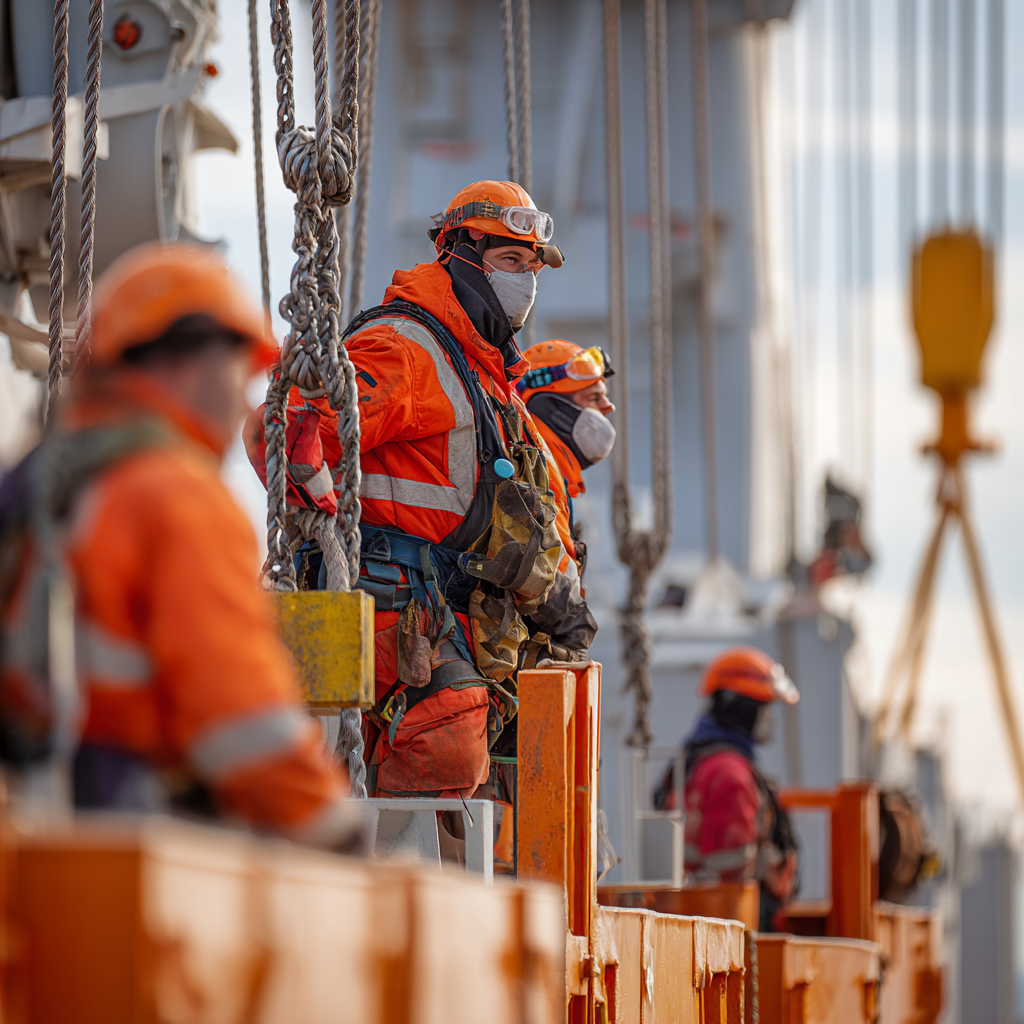
Rigging experience provides an excellent foundation for becoming an operator.
A rigger already understands many important concepts:
- Load weight and center of gravity
- Rigging configurations
- Sling capacities
- Load control
- Communication with the operator
- Basic crane dynamics
- Working around suspended loads
But operating a crane introduces an entirely different set of responsibilities.
The new operator must develop competencies such as:
Technical Knowledge
The individual should understand:
- Crane configurations
- Load charts
- Rated capacities
- Boom length and radius
- Counterweight configurations
- Outriggers and ground conditions
- Operational aids and safety devices
- Manufacturer requirements
- Equipment limitations
Practical Skills
The individual needs supervised experience in:
- Equipment setup
- Pre-shift inspections
- Maneuvering
- Load handling
- Controlled starts and stops
- Swinging and positioning
- Blind lifts, when applicable
- Working with signal persons
- Shutdown and securing procedures
Risk Recognition
Perhaps most importantly, the new operator needs to learn how to recognize when a lift should not proceed.
OSHA’s construction crane requirements specifically recognize the importance of the operator’s ability to recognize and avert risk, and require employer evaluation of the operator’s ability to perform the hoisting activities required for assigned work.
📚 The Promotion Should Have a Training Path
A good promotion process can include several stages:
1. Knowledge assessment
Determine what the employee already knows and where the gaps are.
2. Formal training
Provide structured theoretical training appropriate to the equipment and responsibilities.
3. Practical training
Allow the employee to develop skills under controlled conditions.
4. Supervised field experience
The employee should gradually assume more responsibility while being supervised by an experienced trainer.
5. Evaluation
A qualified evaluator should verify that the employee can perform the required tasks safely.
6. Documentation
Keep records of training, practical experience, evaluations, and authorization.
7. Progressive responsibility
Do not expect the newly promoted employee to immediately handle the most complex operations.
Build responsibility progressively.

👷 From Operator to Lift Supervisor: A Different Kind of Promotion
The transition from operator to Lift Supervisor is even more significant.
Why?
Because the employee is moving from primarily controlling equipment to leading people and controlling the operation.
An experienced operator may be excellent at:
Reading load charts
Positioning the crane
Handling loads
Recognizing equipment limitations
Performing safe operations
But a supervisor needs another dimension of competence.
They must be able to:
Coordinate the lifting team
Communicate expectations clearly
Review lifting plans
Identify operational risks
Coordinate operators, riggers, and signal persons
Manage changing site conditions
Stop unsafe operations
Resolve conflicts
Communicate with management and other contractors
Make decisions under pressure
This is where soft skills become technical safety skills.
Leadership Is a Safety Control
A Lift Supervisor can have excellent technical knowledge and still struggle if they cannot lead people effectively.
Consider a situation where the production manager says:
“We are behind schedule. We need to finish this lift now.”
The supervisor needs the confidence and communication skills to respond:
“The conditions are not safe to continue. We need to stop, reassess the situation, and determine the appropriate controls.”
That requires more than crane knowledge.
It requires leadership, communication, emotional intelligence, confidence, and decision-making.
A supervisor who is afraid to stop the operation can become a safety risk—even if they understand the technical requirements perfectly.
The Soft Skills That Matter
When developing an operator into a Lift Supervisor, companies should intentionally develop:
Communication
Can the person communicate instructions clearly and verify that the team understands them?
Decision-Making
Can they make appropriate decisions when conditions change?
Conflict Management
Can they address unsafe behavior without creating unnecessary confrontation?
Leadership
Can they gain the team’s respect without relying exclusively on authority?
Situational Awareness
Can they see the entire operation rather than focusing only on the equipment?
Accountability
Can they take responsibility for decisions and follow through on corrective actions?
Stop-Work Authority
Are they willing and able to stop an operation when conditions become unsafe?
These skills don’t automatically appear when someone receives a new job title.
They must be developed.
The Challenges of Developing New Skills
A newly promoted employee will probably make mistakes.
That’s part of learning.
The danger comes when the organization expects the employee to perform at an expert level immediately.
A new operator may struggle with:
Reading complex load charts
Understanding crane dynamics
Managing unfamiliar configurations
Working under pressure
Communicating with different crews
A new supervisor may struggle with:
Delegating tasks
Giving feedback
Managing experienced employees who were once peers
Making difficult decisions
Handling production pressure
Stopping work
These challenges should not automatically be interpreted as failure.
They should become part of the development plan.
The Benefits of Promoting From Within
When done correctly, internal promotion provides significant benefits.
For the Employee
Career growth
Increased responsibility
Better earning potential
Greater professional confidence
New technical skills
For the Company
Employee retention
Reduced recruitment costs
Preservation of institutional knowledge
Stronger safety culture
Development of future leaders
More consistent operational practices
Most importantly, employees see that good performance and continuous development can create a career—not just a job.
Measure the Promotion Process
Companies should not stop measuring performance once the promotion is complete.
Consider tracking:
Training completion
Practical evaluation results
Near misses
Safety observations
Incident trends
Equipment damage
Lift plan deviations
Stop-work interventions
Performance reviews
Additional training requirements
This creates a feedback loop that helps the employee and the organization improve.
Don’t Promote People Into Failure
One of the biggest mistakes a company can make is giving someone a new title without giving them the tools, training, supervision, and authority needed to succeed.
If you promote a rigger to operator, give them a structured path to become an operator.
If you promote an operator to Lift Supervisor, develop them as a leader—not just as a more experienced operator.
The goal is not simply to fill a position.
The goal is to build competence.
Build Your Internal Talent
A strong organization doesn’t wait until it desperately needs an operator or supervisor.
It identifies potential talent early and develops it intentionally.
At SmartLift, we believe career development in lifting operations should combine:
Training + Practical Experience + Supervision + Evaluation + Continuous Development
That’s how a rigger becomes a competent operator.
And that’s how an operator becomes a confident and effective leader.
The best promotion is not the one that changes someone’s title.
It’s the one that prepares them to succeed in their new responsibility.
If your company is developing operators, riggers, Lift Supervisors, or other lifting professionals, SmartLift can help you design structured training, competency evaluation, and development programs that support both Personnel and Operational Safety.
Build your people. Strengthen your operation. Reduce your risk.
SmartLift — Engineering Safety, One Axis at a Time.