
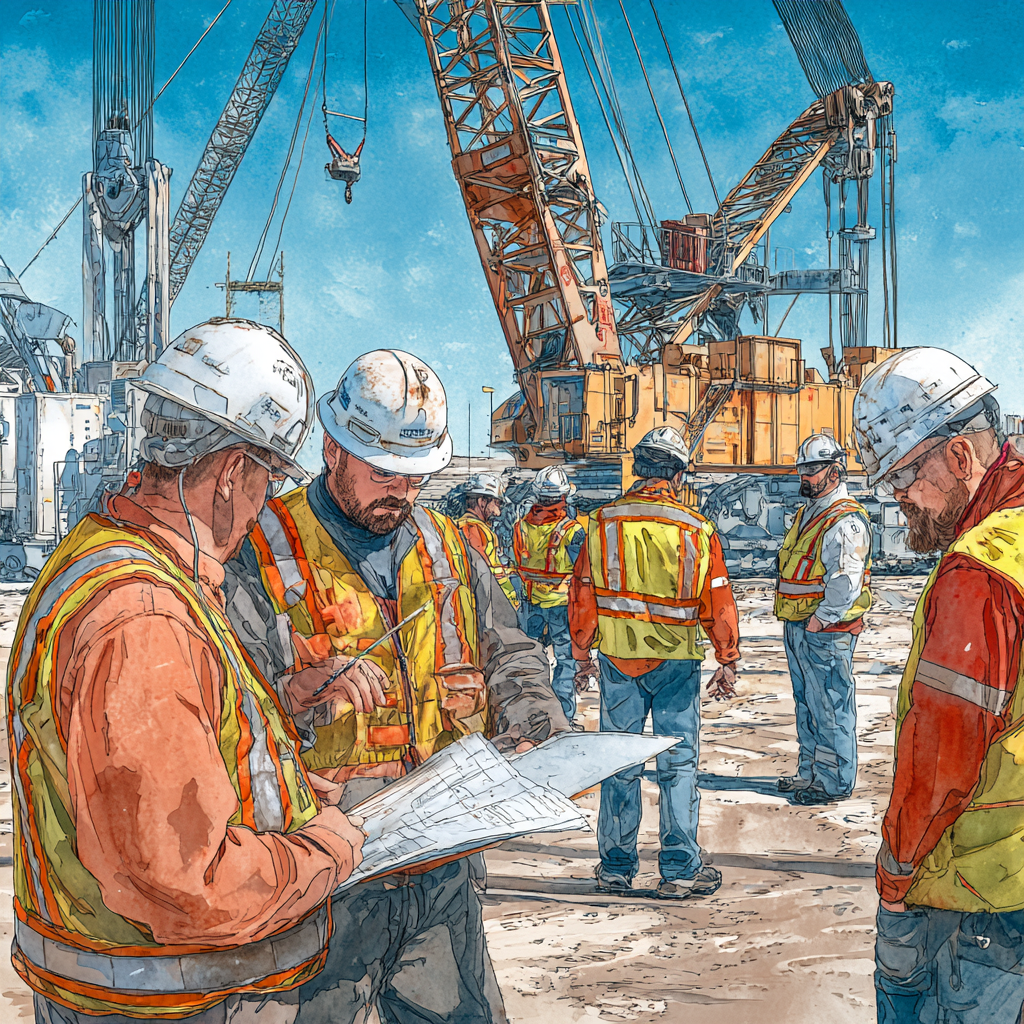

The Procedures Axis: Turning Lifting Operations into Safe, Traceable, and Repeatable Systems

In lifting operations, safety is not achieved by chance—it is engineered through procedures. While trained personnel and reliable equipment are essential, it is the Procedures Axis that connects everything into a controlled and predictable system.

Without clear procedures, even experienced crews can fall into inconsistency, miscommunication, and risk. With strong procedures, organizations gain control, traceability, and compliance.

Why Procedures Are Critical in Lifting Operations

Procedures are more than written rules—they are standardized methods that guide how work is planned, executed, and verified. Strong procedures ensure: -Consistency across crews and job sites Clear roles and responsibilities Compliance with regulatory requirements Reduced human error Preparedness for audits and inspections Most incidents in lifting operations are not due to a lack of knowledge, but due to lack of structure or failure to follow procedures.

From Procedure to Practice: The Role of Documentation

Procedures only work when they are supported by practical, trackable documents and formats. These documents serve as proof that activities were performed correctly and allow organizations to monitor compliance over time. This is where traceability becomes essential. Traceable systems answer key questions: Was the equipment inspected before use? Who performed the inspection? Was the lift properly planned and approved? Were hazards identified and controlled? Without documentation, there is no way to verify that procedures were followed.

🛠️ Key Documents for a Traceable Lifting Operation


To build a strong Procedures Axis, companies must implement and control several critical documents.

  1. Pre-Shift Inspections (Daily Checks)

These are the first line of defense in equipment safety.

Performed by operators at the start of each shift, they help identify:

  • Visible damage or wear
  • Fluid leaks
  • Safety device functionality
  • Abnormal noises or conditions

Why they matter:

  • Detect issues before operation
  • Prevent equipment failure during lifts
  • Create daily accountability

Best practice:
Use simple, standardized checklists that are easy to complete and store for future reference.

  1. Periodic Inspections

These inspections are performed by qualified personnel at defined intervals (weekly, monthly, or annually depending on equipment and regulations).

They include:

  • Structural checks
  • Mechanical and hydraulic system inspections
  • Load-handling components (hooks, slings, wire ropes)
  • Safety systems and controls

Why they matter:

  • Ensure long-term equipment reliability
  • Maintain compliance with standards
  • Identify progressive wear and hidden defects

Best practice:
Document findings, corrective actions, and approvals. Track trends to identify recurring issues.

  1. Lifting Plans (Especially Critical Lifts)

A lifting plan is the core procedural document for any lifting activity—especially for critical or high-risk lifts.

A proper lifting plan should include:

  • Load weight and center of gravity
  • Equipment selection and capacity
  • Rigging configuration
  • Ground conditions and setup
  • Hazard identification and control measures
  • Roles and responsibilities
  • Communication methods
  • Emergency procedures

For critical lifts, additional elements are required:

  • Engineering review (if applicable)
  • Detailed calculations and drawings
  • Multiple approval levels (supervisor, safety, engineering)
  • Pre-lift meetings and sign-offs

Why they matter:

  • Ensure the lift is fully planned before execution
  • Reduce uncertainty and improvisation
  • Provide accountability and traceability

The Importance of Instructives (Work Instructions)

In addition to forms and checklists, organizations must develop clear instructive documents—step-by-step guides that explain how tasks should be performed.

Examples include:

  • How to perform a pre-shift inspection
  • How to complete a lifting plan
  • How to conduct a rigging inspection
  • How to communicate during lifts

Instructives ensure that:

  • Everyone follows the same process
  • New personnel can learn quickly
  • Tasks are performed consistently across teams

Building a Traceable and Auditable System

A strong procedures system combines:

  • Clear procedures (what must be done)
  • Instructives (how to do it)
  • Formats and records (proof it was done)

This creates a closed-loop system where planning, execution, and verification are all documented.

The result:

  • Easier audits
  • Better compliance with regulations
  • Faster identification of gaps
  • Continuous improvement

What Happens Without Proper Procedures?

Companies that lack structured procedures and documentation often face:

  • Inconsistent work practices
  • Missed inspections
  • Poor communication during lifts
  • Increased incidents and near misses
  • OSHA citations and penalties
  • Lack of evidence during audits

In short: no procedure = no control.

The SmartLift Approach

At SmartLift, we help organizations build strong Procedures Axis systems by:

  • Developing custom lifting procedures and templates
  • Creating inspection checklists and traceable formats
  • Designing clear instructive documents
  • Auditing compliance and identifying gaps
  • Training teams to apply procedures effectively in the field

Because safety is not just about knowing—it’s about doing it the same way, every time.

Final Thought

In lifting operations, success depends on more than skill and equipment. It depends on structure, discipline, and traceability.

Procedures turn experience into repeatable safety.
Documentation turns actions into proof and accountability.

error: Content is protected !!