
- Crane Operator – Controls the lift and equipment.
The Importance of Meeting OSHA Requirements: Protecting Lives, Improving Efficiency, and Strengthening Your Business
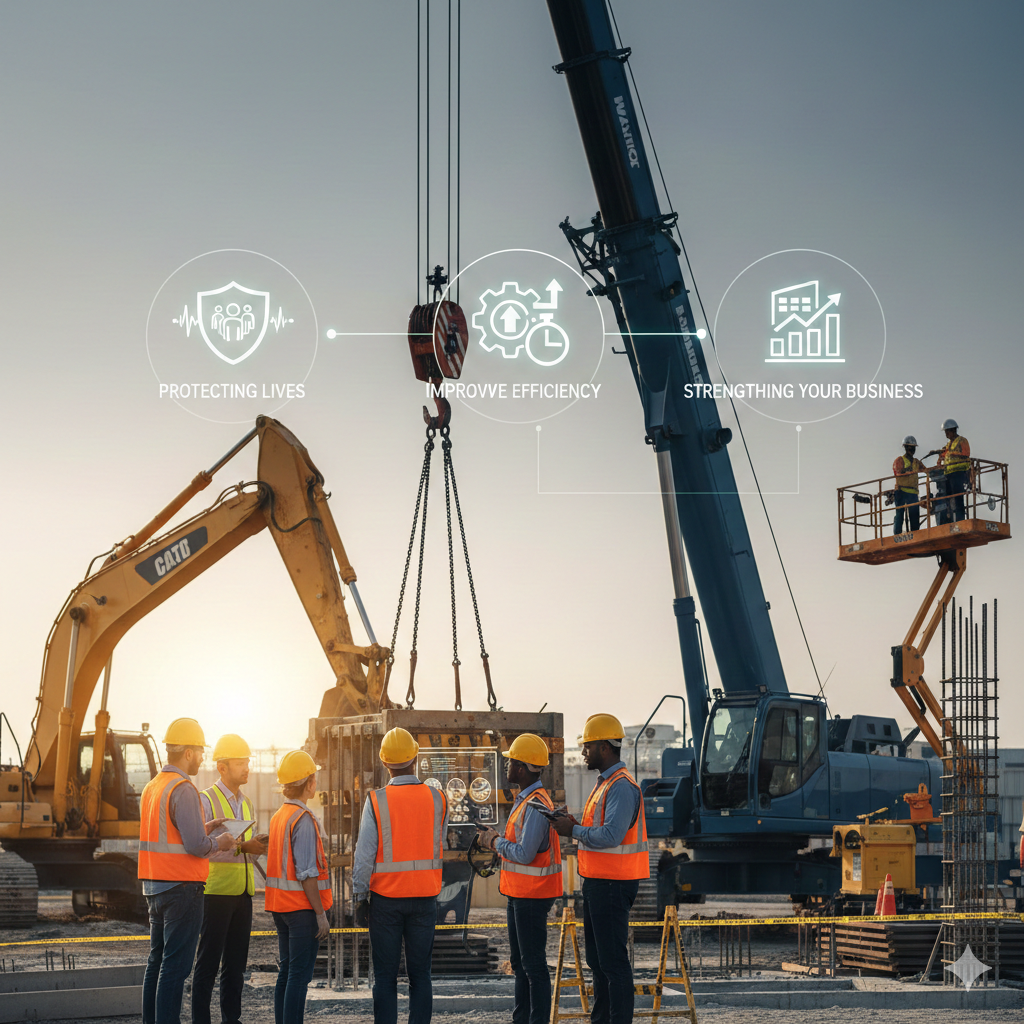
In today’s industrial and construction environments, meeting OSHA requirements is far more than a regulatory obligation—it is a critical component of operational excellence, workforce protection, and business sustainability. OSHA compliance directly impacts employee safety, productivity, equipment reliability, and overall project performance. Organizations that proactively implement OSHA standards reduce risk, improve efficiency, and create safer, more reliable work environments.
From heavy lifting operations and crane work to earthmoving and aerial platforms, OSHA standards provide a structured framework to control hazards, minimize downtime, and protect both workers and assets. When safety systems function correctly, productivity increases, operational disruptions decrease, and companies gain long-term financial and reputational benefits.
OSHA Compliance as a Driver of Operational Efficiency
OSHA compliance is often viewed as a cost, but in practice, it is a major driver of operational efficiency. A well-designed safety program reduces unplanned downtime, equipment failures, jobsite incidents, and costly project delays.
When operators are properly trained and equipment is regularly inspected, operations become:
- More predictable – Fewer breakdowns and incidents lead to improved scheduling and project planning.
- More efficient – Safe, standardized operating practices reduce errors, rework, and interruptions.
- More productive – Skilled operators perform tasks faster, safer, and with higher accuracy.
Proper training ensures that workers understand not only how to operate equipment, but also how to identify hazards, apply control measures, and follow OSHA-required safe work practices. This directly translates into higher production rates and lower incident frequency.
Protecting Lives: The Core of OSHA Compliance
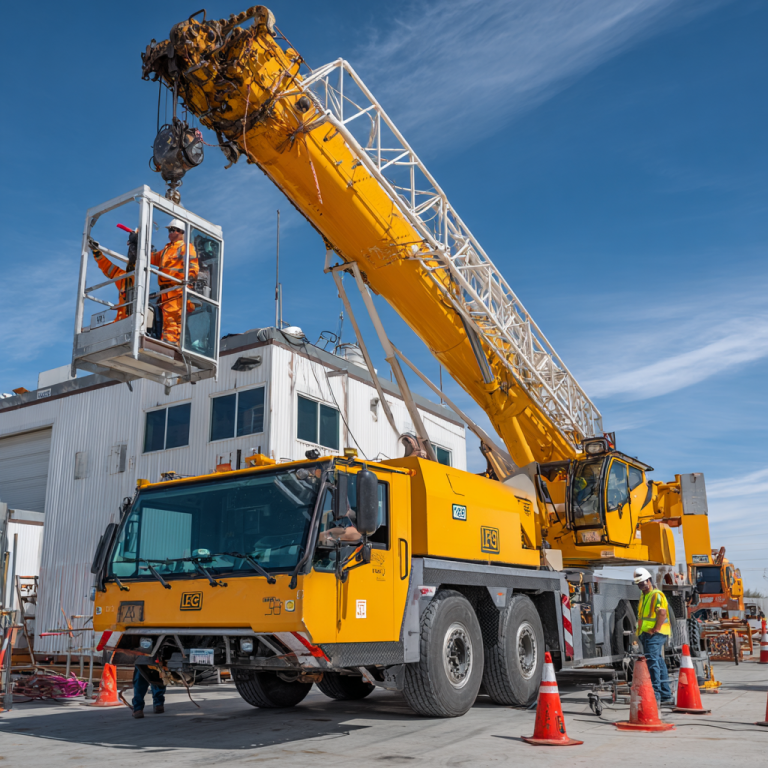
At its core, OSHA compliance is about protecting human lives. High-risk activities such as crane operations, rigging, pile driving, forklift operation, and aerial lift use involve significant hazards. Without proper controls, these hazards can lead to catastrophic injuries or fatalities.
OSHA standards establish proven safety systems that:
- Reduce struck-by and caught-between hazards
- Prevent falls and dropped-object incidents
- Improve load control and stability
- Minimize human error through standardized procedures
Investing in OSHA compliance demonstrates a company’s commitment to its workforce, reinforcing a safety culture that values human life above production pressure. This not only protects workers but also improves morale, retention, and job satisfaction.
.
Protecting the Business: Risk Reduction and Financial Stability
Failure to comply with OSHA regulations exposes companies to substantial financial and legal risks, including:
- OSHA citations and penalties
- Project shutdowns
- Increased insurance premiums
- Litigation costs
- Damage to company reputation
By implementing proactive safety and compliance programs, companies reduce exposure to these risks while building stronger, more defensible safety systems. OSHA compliance strengthens contractual positioning, enhances client confidence, and supports long-term business growth.
Our New OSHA-Focused Services
To better support our clients in achieving compliance and improving jobsite safety, we have expanded our services to include three specialized OSHA-focused solutions:
1. OSHA Compliance Assessments & Jobsite Safety Inspections
We perform detailed onsite safety evaluations designed to identify OSHA compliance gaps before they result in citations, incidents, or shutdowns. Our inspections include:
- Review of jobsite safety practices
- Evaluation of equipment condition and documentation
- Operator certification and training compliance checks
- Identification of OSHA «red flags»
- Actionable recommendations to close compliance gaps
Clients receive a comprehensive written report outlining findings, risks, and corrective actions needed to strengthen compliance.
2. OSHA Inspection & Audit Preparation Services
OSHA inspections can be stressful and disruptive. Our preparation service helps organizations proactively prepare for regulatory inspections by:
- Reviewing current safety documentation
- Assessing training records and operator certifications
- Evaluating equipment inspection programs
- Identifying areas of regulatory exposure
- Developing corrective action plans
This service significantly reduces the risk of citations, fines, and project disruptions while strengthening overall compliance systems.
3. Injury & Illness Recordkeeping and Reporting Support
With updated OSHA data reporting requirements, accurate injury and illness documentation is critical. We provide guidance and support for:
- OSHA injury and illness recordkeeping compliance
- OSHA 300, 300A, and 301 form accuracy
- Electronic submission through OSHA’s Injury Tracking Application (ITA)
- Understanding updated OSHA reporting standards
This service ensures regulatory accuracy, protects against administrative penalties, and strengthens corporate compliance programs.

Conclusion
Meeting OSHA requirements is not simply about compliance—it is about building safer operations, improving efficiency, protecting workers, and strengthening business performance. A proactive safety strategy reduces incidents, improves productivity, and protects financial stability.
Through our comprehensive training programs, equipment inspections, and new OSHA-focused services, we help organizations build robust compliance systems that protect lives, strengthen operations, and safeguard business success.
If you would like to learn more about our OSHA compliance solutions or schedule an assessment, please contact us. We are here to support your safety and compliance goals.