
The Equipment Axis: Why Preventive and Proactive Maintenance Are Essential for Safe and Profitable Operations
In lifting, earthmoving, and material handling operations, equipment is much more than a tool—it is a critical component of safety, productivity, and profitability. Cranes, excavators, forklifts, loaders, bucket trucks, and material handlers are exposed to demanding conditions every day, making maintenance one of the most important investments a company can make.
At SmartLift, we believe that a strong Equipment Axis is built on two key concepts: Preventive Maintenance and Proactive Maintenance. While these terms are often used interchangeably, they represent different approaches that, when combined, can significantly improve equipment reliability, reduce costs, and prevent accidents.
Understanding Preventive Maintenance
Preventive Maintenance (PM) consists of scheduled activities performed at predetermined intervals to reduce the likelihood of equipment failure.
The goal is simple: perform maintenance before a component fails.
Examples include:
- Changing engine oil every 500 operating hours.
- Replacing hydraulic filters according to manufacturer recommendations.
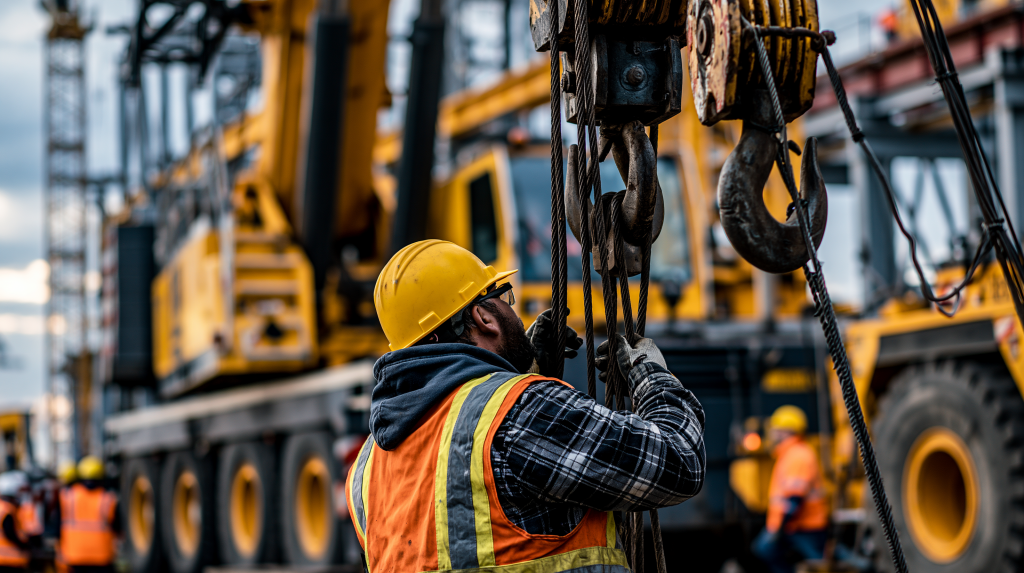
- Inspecting wire ropes and hooks at scheduled intervals.
- Lubricating moving parts according to maintenance schedules.
- Performing periodic inspections of brakes, steering systems, and hydraulic cylinders.
Preventive maintenance follows a planned schedule based on:
- Operating hours
- Calendar dates
- Manufacturer recommendations
- Regulatory requirements
By performing these tasks consistently, companies can reduce unexpected breakdowns and extend equipment life.
Understanding Proactive Maintenance
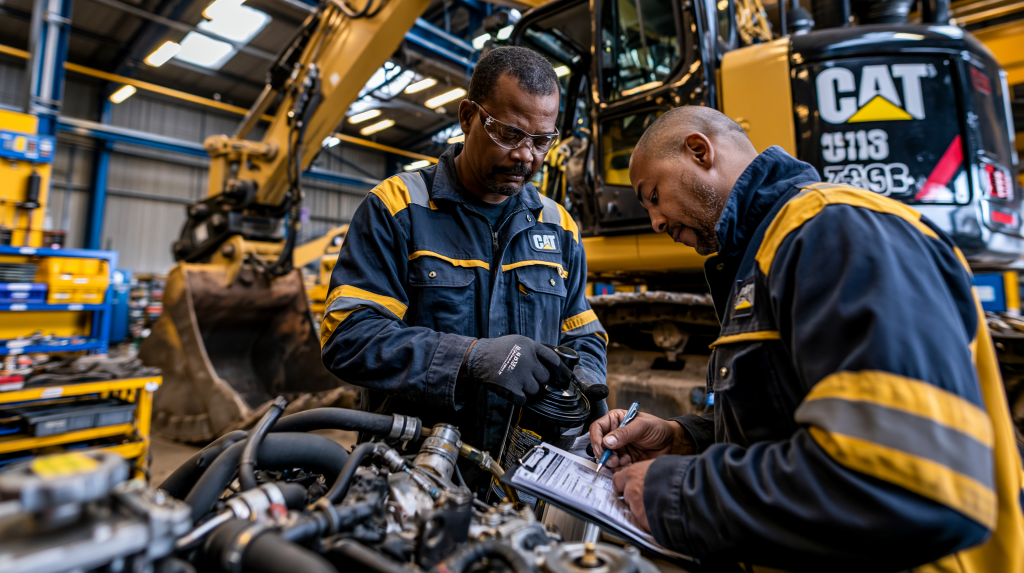
While preventive maintenance focuses on scheduled activities, proactive maintenance focuses on identifying and eliminating the root causes of failures before they occur.
Instead of asking:
“What maintenance is due?”
Proactive maintenance asks:
“Why is this component wearing out prematurely?”
Examples include:
- Oil analysis to detect contamination before damage occurs.
- Vibration analysis to identify bearing wear.
- Thermography to detect overheating electrical components.
- Monitoring hydraulic pressures and temperatures.
- Analyzing recurring failures to identify design or operational issues.
Proactive maintenance uses data and condition monitoring to predict and prevent future failures.
Why Maintenance Matters in Lifting Operations
Lifting operations involve high-risk equipment where mechanical failures can have severe consequences.
Consider the potential results of:
- A failed wire rope.
- A leaking hydraulic cylinder.
- A malfunctioning load moment indicator.
- Worn brake systems.
The consequences may include:
- Dropped loads
- Equipment damage
- Project delays
- OSHA citations
- Serious injuries or fatalities
Proper maintenance helps ensure that critical safety systems function as designed when they are needed most.
Why Maintenance Matters in Earthmoving Operations
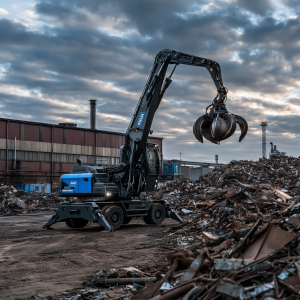
Excavators, loaders, bulldozers, and other earthmoving equipment operate under extreme conditions.
Dust, vibration, heavy loads, and environmental exposure accelerate wear.
Without proper maintenance, companies often experience:
- Increased fuel consumption
- Reduced productivity
- Hydraulic failures
- Undercarriage damage
- Engine problems
Preventive and proactive maintenance programs help maintain equipment availability and reduce total ownership costs.
The Financial Impact of Maintenance
Many companies view maintenance as an expense.
World-class organizations view maintenance as an investment.
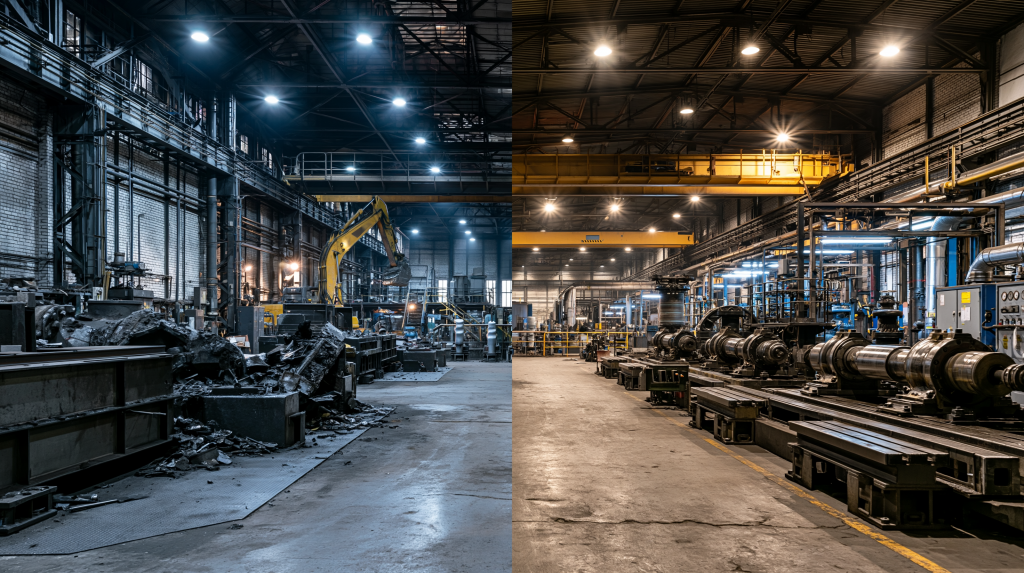
Consider these common cost drivers:
Reactive Maintenance Costs
- Emergency repairs
- Overtime labor
- Rental equipment
- Production losses
- Expedited shipping of parts
Preventive & Proactive Maintenance Benefits
- Lower repair costs
- Increased equipment life
- Reduced downtime
- Improved productivity
- Better safety performance
Studies consistently show that planned maintenance costs significantly less than emergency repairs.
The Safety Impact of Maintenance
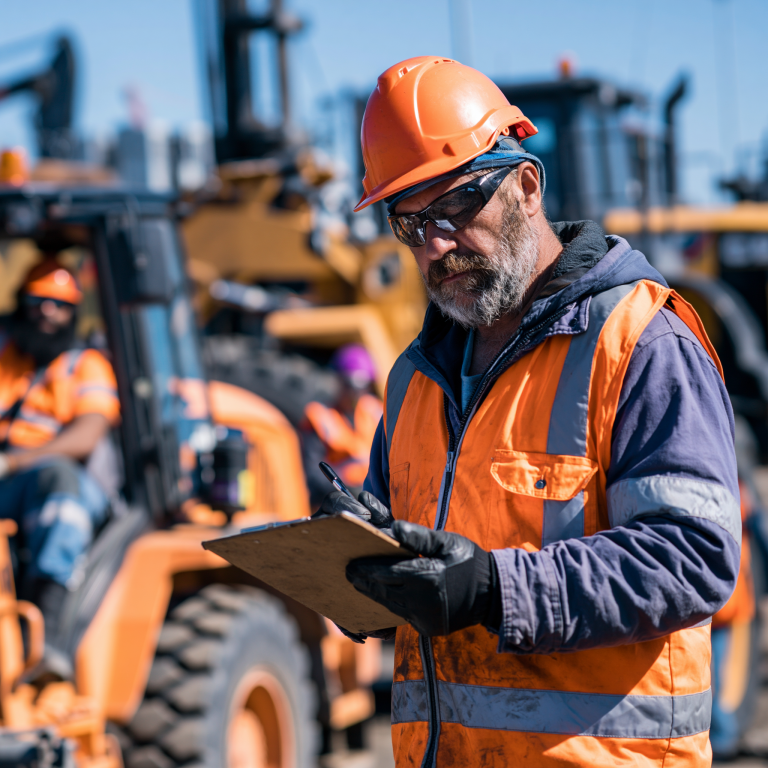
Safety and maintenance are inseparable.
Poor maintenance contributes directly to:
- Mechanical failures
- Unexpected equipment behavior
- Reduced reliability of safety systems
- Increased operator stress
A strong maintenance program reduces these risks and helps create safer work environments.
Simply put:
Reliable equipment is safer equipment.
How to Evaluate Your Company’s Current Maintenance Program
Not sure where your organization stands?
Start by asking these questions:
Maintenance Planning
✔ Do we have documented preventive maintenance schedules?
✔ Are manufacturer recommendations incorporated into our plans?
✔ Are maintenance tasks completed on time?
Equipment History
✔ Do we maintain service records for every asset?
✔ Can we identify recurring failures?
✔ Do we track component replacement history?
Inspections
✔ Are pre-shift inspections performed consistently?
✔ Are periodic inspections documented?
✔ Are deficiencies corrected promptly?
Performance Measurement
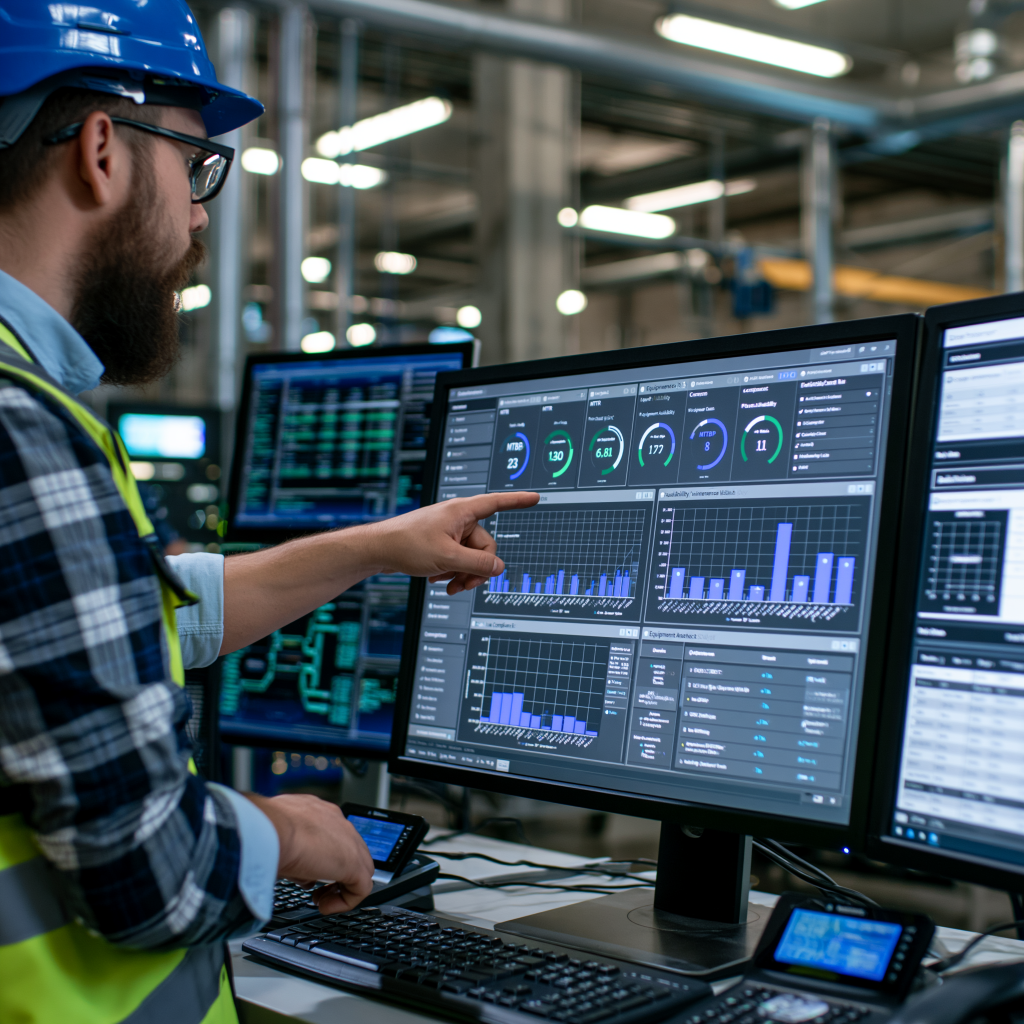
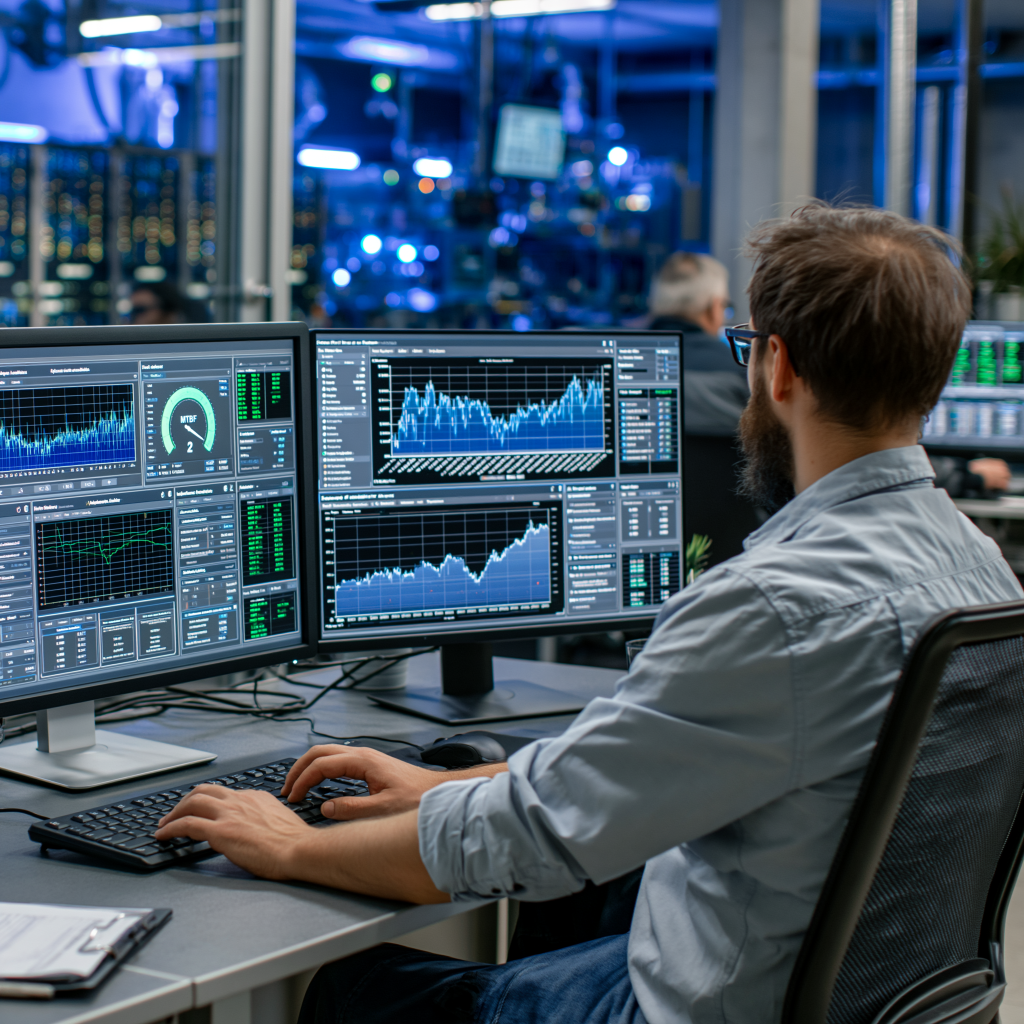
✔ Do we track KPIs such as:
- MTBF (Mean Time Between Failures)
- MTTR (Mean Time To Repair)
- PM Compliance Rate
- Equipment Availability
- Downtime Hours
Proactive Practices
✔ Do we use oil analysis, vibration monitoring, or thermography?
✔ Do we investigate root causes of failures?
✔ Are we eliminating failure causes rather than simply repairing failures?
Building a Stronger Equipment Axis
Organizations that excel in safety and reliability understand that maintenance is not just a maintenance department responsibility—it is a business strategy.
A successful Equipment Axis combines:
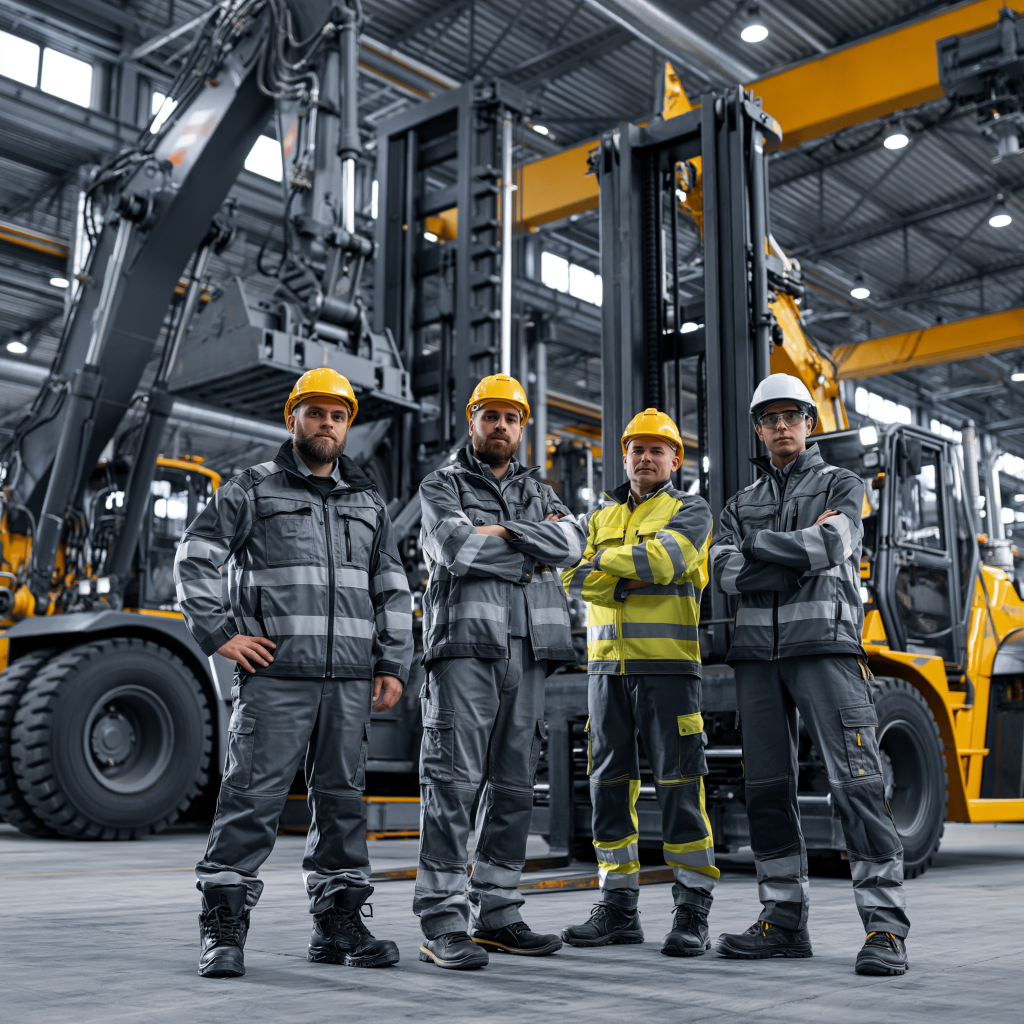
- Qualified personnel
- Structured maintenance plans
- Effective inspections
- Performance indicators
- Continuous improvement
When preventive and proactive maintenance work together, companies experience fewer failures, lower costs, greater productivity, and safer operations.
Final Thoughts
Every breakdown starts as a small problem.
Preventive maintenance helps you find it before it becomes a failure.
Proactive maintenance helps you eliminate the causes before the problem even starts.
The result is a safer, more reliable, and more profitable operation.
At SmartLift, we help organizations evaluate, improve, and optimize their maintenance systems to strengthen the Equipment Axis and maximize operational performance.
Because when equipment performs reliably, everyone benefits.