From Rigger to Operator, From Operator to Lift Supervisor: How to Promote Without Increasing Risk
From Rigger to Operator, From Operator to Lift Supervisor: How to Promote Without Increasing Risk In lifting operations, safety is […]

From Rigger to Operator, From Operator to Lift Supervisor: How to Promote Without Increasing Risk In lifting operations, safety is […]

Risk management is a critical component of any heavy lifting project. Mistakes can lead to serious accidents, damage to expensive equipment, and significant productivity losses. This blog provides a comprehensive guide to assessing, managing, and minimizing risks, focusing on the proper use of accessories, advanced lifting techniques, and safety procedures.
The Equipment Axis: Why Preventive and Proactive Maintenance Are Essential for Safe and Profitable Operations In lifting, earthmoving, and material

The Procedures Axis: Turning Lifting Operations into Safe, Traceable, and Repeatable Systems In lifting operations, safety is not achieved by
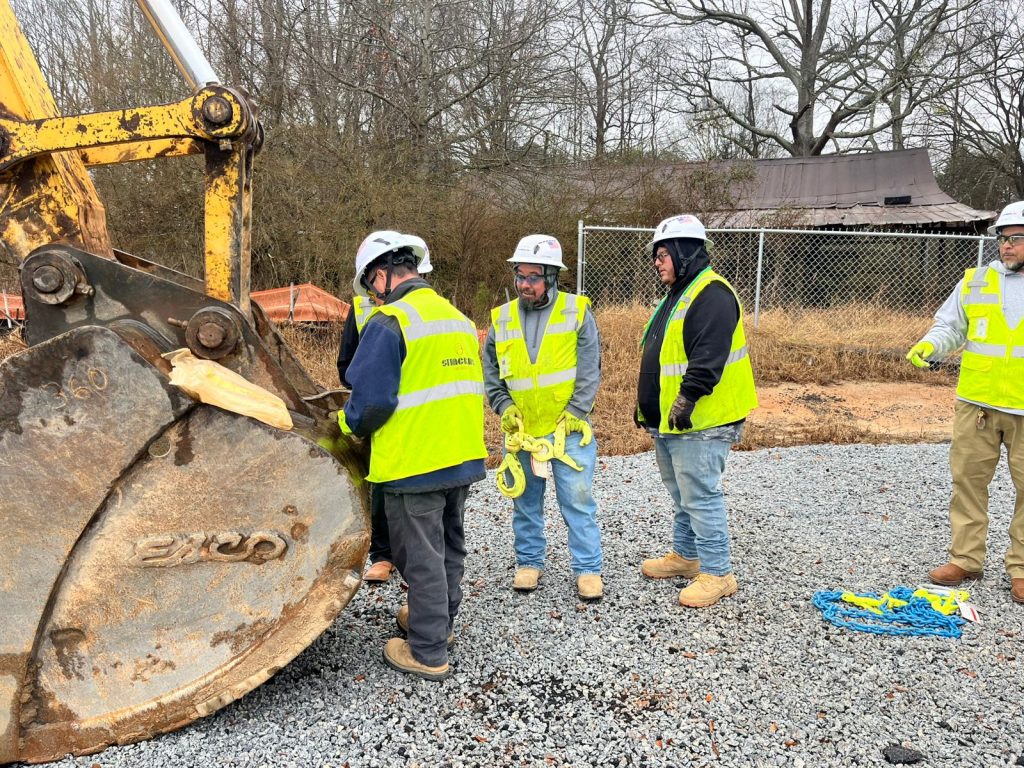
NEW!!! Safe lifting operations rely heavily on planning. Not all lifts carry the same level of risk, and both North American and European frameworks recognize this by categorizing lifting plans based on complexity, hazards, and consequences.
This article explores how lifting plans are categorized under ASME P30.1 and compares them with commonly applied European practices (EN standards and industry guidance).
OSHA Compliance: Why Acting Early Saves Time, Money, and Lives Workplace safety is more than a regulatory requirement—it is a
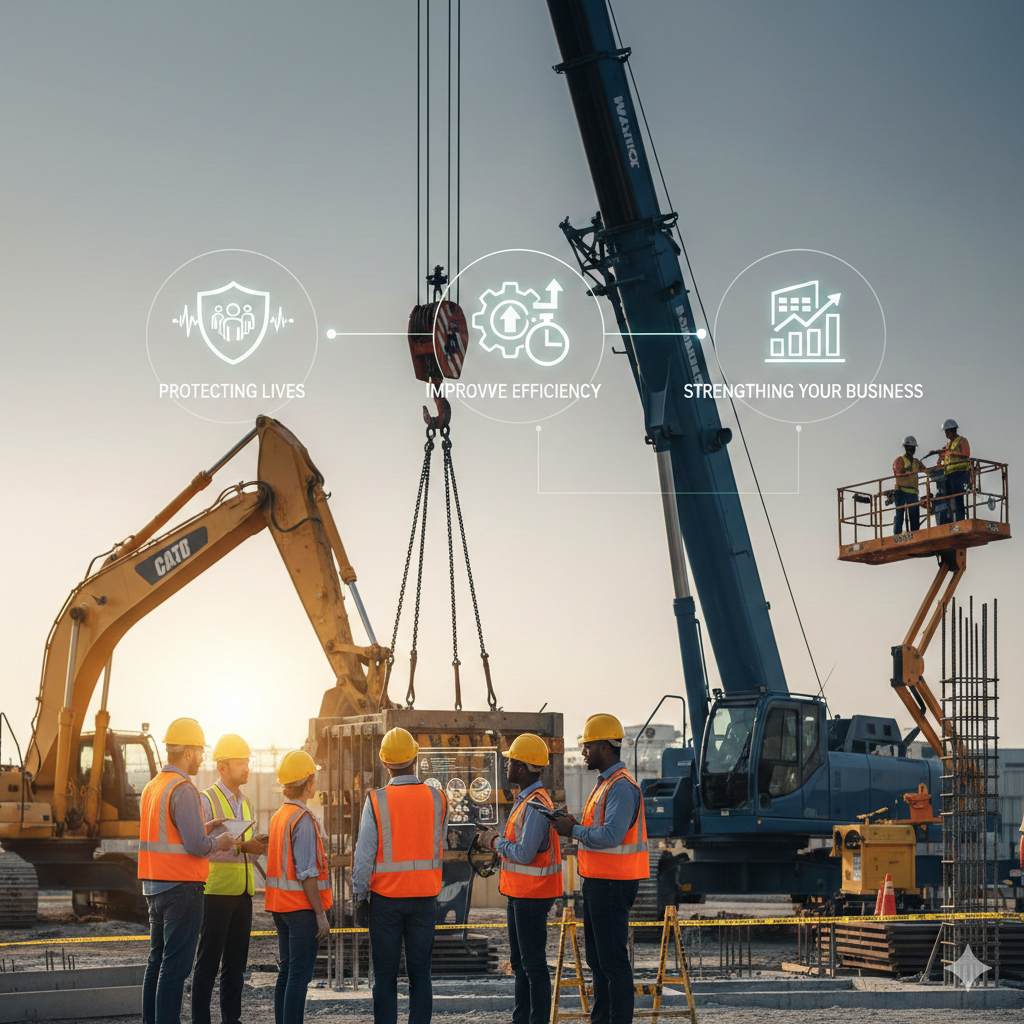
Crane Operator – Controls the lift and equipment. The Importance of Meeting OSHA Requirements: Protecting Lives, Improving Efficiency, and Strengthening
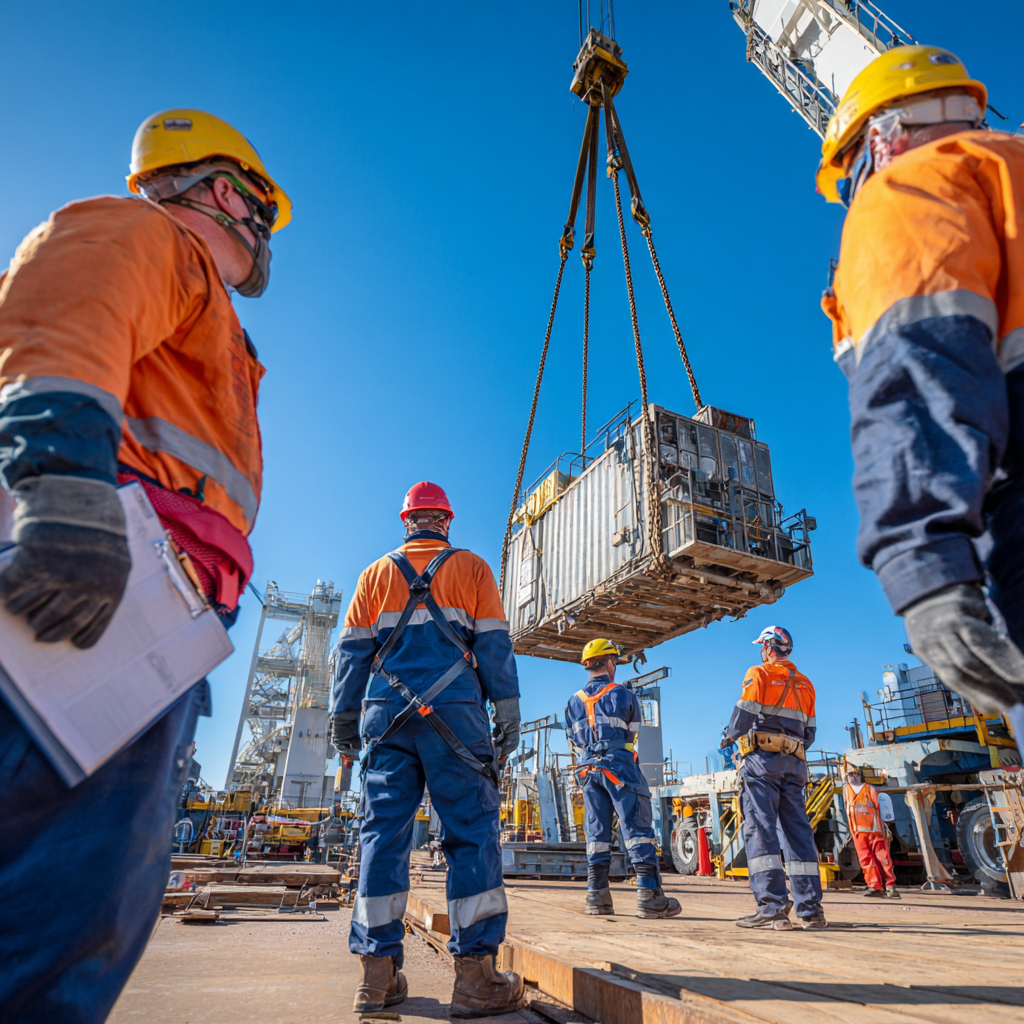
Crane Operator – Controls the lift and equipment. Training Is Not Optional: Building Competence and Career Progression in Lifting Operations
The Power of Preventive Maintenance: How a Strong Plan Protects Your People, Your Equipment, and Your Bottom Line In any
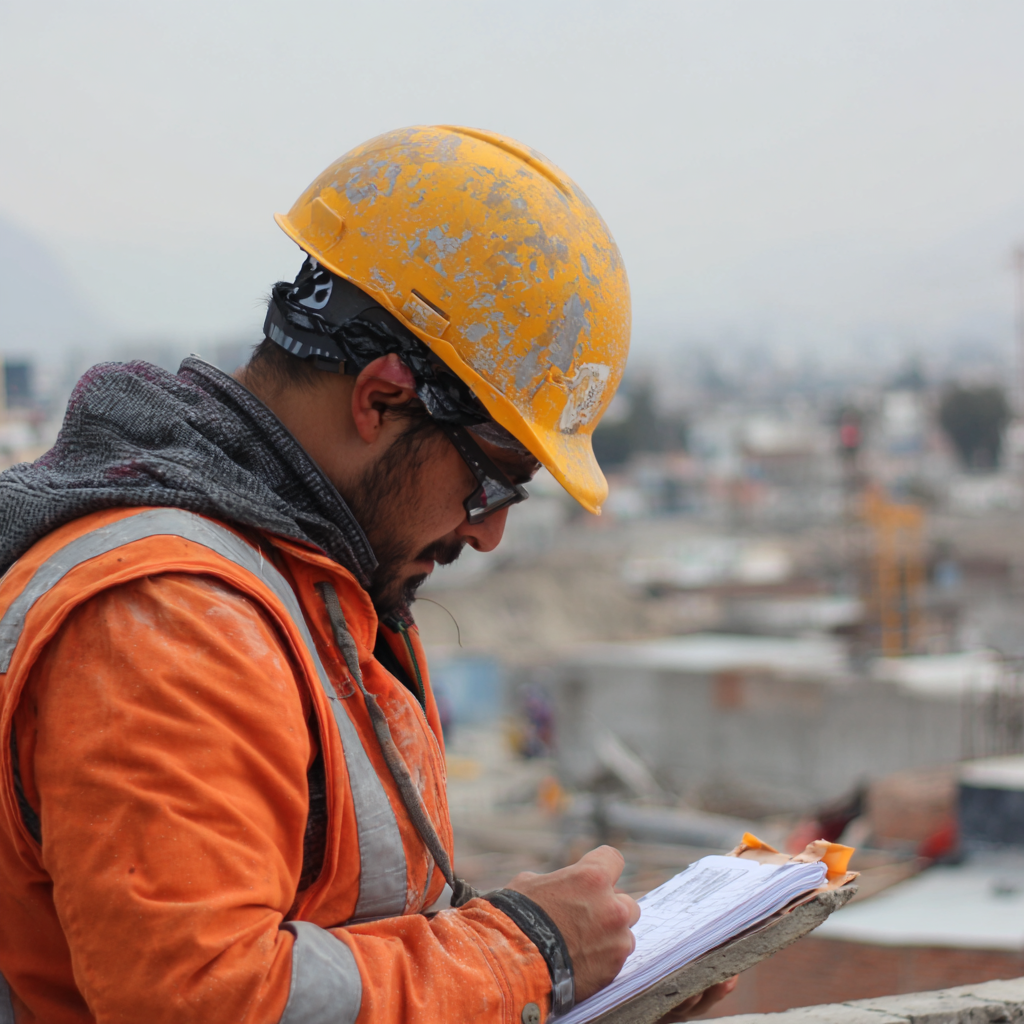
Building Competent Teams for Safer Lifting Operations In lifting operations, people are the first and most critical safety layer. Even